Are you looking for a reliable leather accessories manufacturer in India to supply products for your retail business, fashion brand, or wholesale distribution company? Selecting the right manufacturing partner involves more than comparing prices. Material quality, customization capabilities, production consistency, packaging, and export arrangements all contribute to a successful sourcing process.
India is an established manufacturing destination for leather goods, offering various products for international wholesalers, fashion accessory brands, and private-label businesses.
However, buyers should carefully evaluate suppliers before placing large orders.
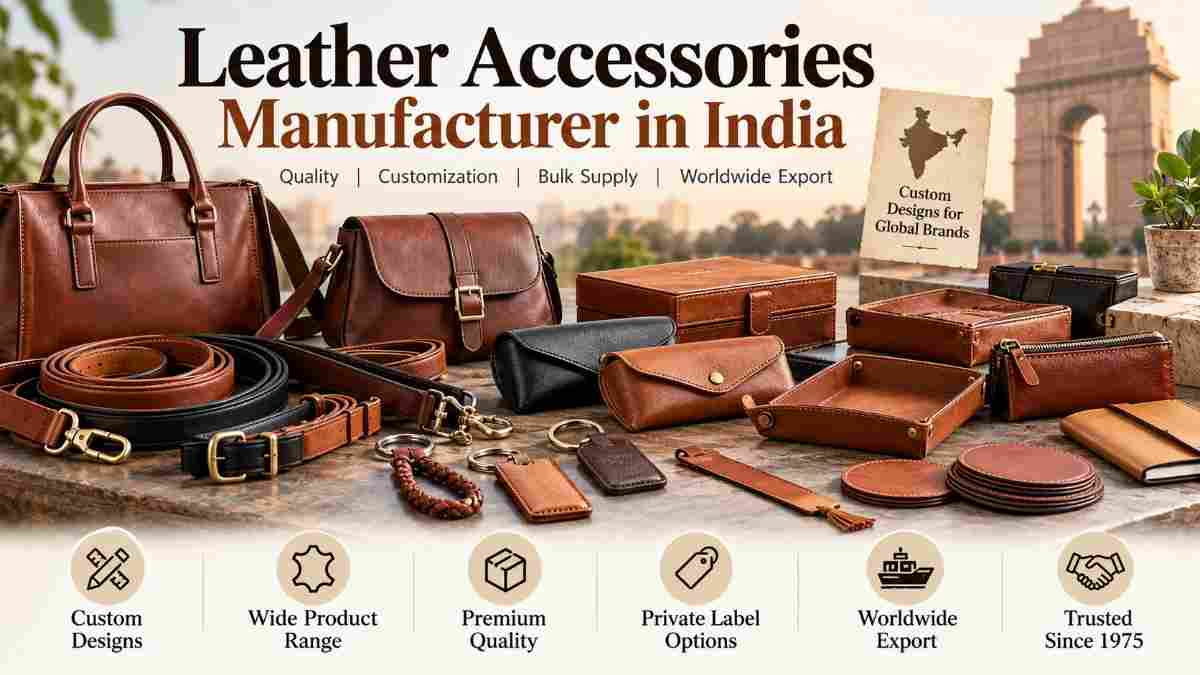
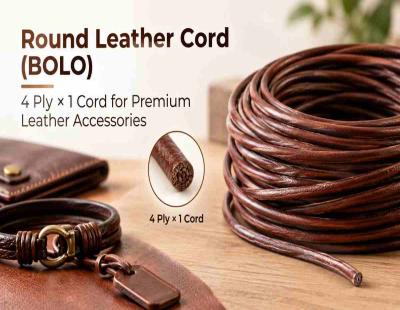
P.S. Daima & Sons is a leather accessories manufacturer and exporter based in New Delhi, India. Established in 1975, the company supplies leather cords, bracelets, and other fashion accessory products.
This guide explains how to evaluate leather accessories manufacturers, request samples, verify quality requirements, compare suppliers, and prepare bulk purchasing enquiries.
What Should You Look for in a Reliable Leather Accessories Manufacturer in India?
A reliable leather accessories manufacturer should demonstrate relevant manufacturing experience, product expertise, consistent quality procedures, customization capabilities, responsive communication, and the ability to meet agreed specifications.
Before selecting a supplier, check:
-
Manufacturing experience: Review the company's background and product specialization.
-
Product range: Confirm availability of the accessories you require.
-
Material quality: Evaluate leather types, finishes, and durability.
-
Customization: Ask about designs, colors, sizes, branding, and packaging.
-
Quality control: Understand inspection procedures.
-
Production capacity: Confirm the ability to handle the intended quantity.
-
Compliance: Request applicable certificates and product testing documentation.
-
Export support: Review shipping and documentation arrangements.
-
Commercial terms: Confirm MOQ, pricing, payment, and lead times.
Businesses can explore the P.S. Daima & Sons Leather Accessories Collection when evaluating available products.
Which Leather Accessories Can You Source in Bulk from India?
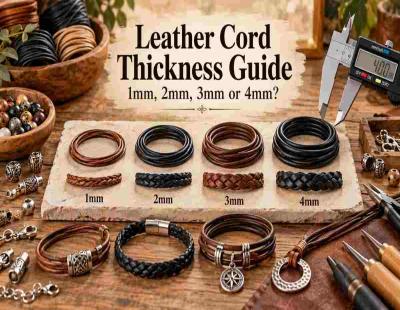
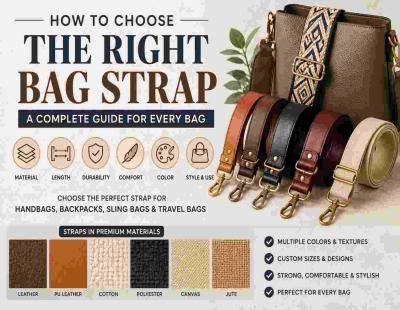
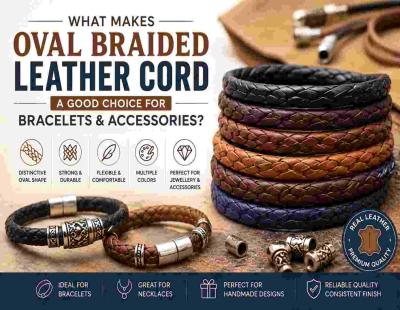
International buyers can source various leather accessories from India, including bags, bag straps, keychains, eyeglass cases, jewelry boxes, bookmarks, coasters, coin purses, and decorative products.
Common categories include:
-
Leather bags: Fashion and everyday accessories for retailers and fashion brands.
-
Leather bag straps: Handbag components and replacement straps for accessory manufacturers.
-
Leather keychains: Small everyday accessories and promotional products.
-
Leather eyeglass cases: Protective accessories for eyewear businesses.
-
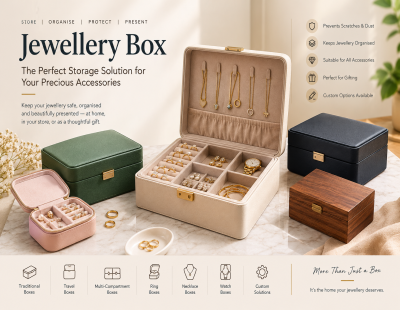
Jewelry boxes: Storage and presentation products for jewelry brands.
-
Leather bookmarks: Reading accessories and gift merchandise.
-
Leather coasters: Tabletop accessories for home goods retailers.
-
Leather coin purses: Compact personal accessories for fashion businesses.
Product availability and customization options depend on the manufacturer.
Browse the Leather Accessories Product Range for individual product categories.
How Can You Verify the Manufacturing Experience of a Leather Accessories Supplier?
You can evaluate manufacturing experience by reviewing the supplier's history, product portfolio, manufacturing infrastructure, quality control procedures, and international supply experience.
Ask potential suppliers:
-
How long have you manufactured leather products?
-
Which product categories are produced directly?
-
What production processes are available?
-
Can you develop customized products?
-
Which markets do you currently serve?
-
Can you provide representative samples?
-
How do you manage quality consistency?
A documented manufacturing background can help buyers understand whether a supplier is suitable for their requirements.
What Leather Quality Standards Should You Check Before Placing a Bulk Order?
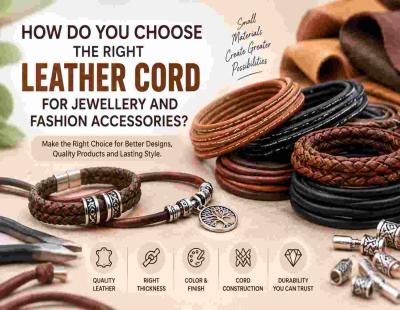
Before placing a bulk leather accessories order, verify material composition, leather thickness, surface finish, color consistency, stitching, hardware quality, flexibility, and intended product performance.
The relevant checks depend on the product type.
For example, a leather bag strap requires different performance characteristics from a leather bookmark.
Important checks include:
-
Material identification: Confirm the specified leather or alternative material.
-
Surface finish: Examine texture, appearance, and visible defects.
-
Dimensions: Verify measurements and tolerances.
-
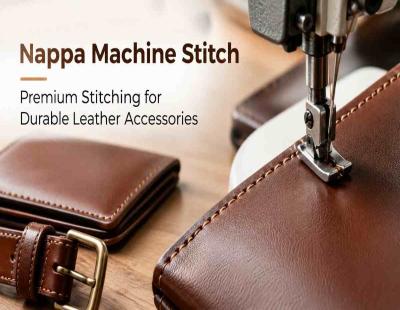
Stitching: Check seam quality where applicable.
-
Hardware: Review buckles, clasps, rivets, and metal components.
-
Color fastness: Assess potential dye transfer.
-
Strength: Test suitability for the intended application.
-
Batch consistency: Establish acceptable variations before production.
Request samples and applicable test reports before approving large orders.
What Certifications Should an International Leather Accessories Manufacturer Have?
International leather accessories manufacturers may hold quality management or environmental certifications and provide product-specific testing documentation.
The requirements depend on the product category and destination market.
Common considerations include:
-
ISO 9001: Quality management system certification.
-
ISO 14001: Environmental management system certification.
-
REACH: Applicable European Union chemical restrictions.
-
Restricted substance testing: Testing for relevant chemicals in leather, dyes, coatings, or hardware.
-
Color fastness testing: Evaluating color transfer and resistance to specified conditions.
-
Product safety testing: Requirements for particular products or markets.
P.S. Daima & Sons publishes certification-related information on its Certifications and Quality Standards page.
Buyers should obtain current documentation and verify its scope before relying on any certification claim.
Can You Order Custom Leather Accessories in Bulk from India?
Yes. Leather accessories manufacturers may offer customization in dimensions, colors, finishes, product construction, decorative components, branding, and packaging.
Customization feasibility depends on the selected product, material availability, production process, and order quantity.
Typical requirements include:
-
Custom dimensions.
-
Specific leather finishes.
-
Selected colors.
-
Personalized product designs.
-
Hardware and fastening requirements.
-
Logo or engraving requests.
-
Packaging and labeling preferences.
P.S. Daima & Sons advertises customization capabilities across its leather product portfolio.
Buyers should confirm which options are available for their intended products.
How Can Private-Label Brands Work With Leather Accessories Manufacturers?
Private-label brands can work with manufacturers by providing product specifications, design references, branding requirements, and packaging instructions before requesting development samples.
A practical process includes:
-
Share the product concept and target requirements.
-
Provide drawings, photographs, or reference samples.
-
Confirm material and construction options.
-
Discuss available branding methods.
-
Request development samples.
-
Approve the final specifications.
-
Confirm production and quality terms.
-
Arrange packaging and delivery.
Private-label buyers should also clarify ownership of custom designs, artwork, and tooling where applicable.
Not every manufacturer offers the same private-label services, so individual capabilities should be confirmed before placing an order.
Why Should You Request Samples Before Ordering Leather Accessories in Bulk?
Samples help buyers evaluate material quality, dimensions, construction, functionality, color, finishing, and packaging before approving full production.
During sample inspection, check:
-
Whether the material matches the requested specification.
-
Whether dimensions are accurate.
-
Whether stitching and assembly meet expectations.
-
Whether clasps and other hardware work correctly.
-
Whether colors match approved references.
-
Whether the product performs as intended.
-
Whether branding is accurate.
-
Whether packaging provides suitable protection.
Keep an approved reference sample for final product inspection.
Sample charges and development requirements should be confirmed with the manufacturer.
How Can You Compare Leather Accessories Manufacturers Before Selecting a Supplier?
Compare leather accessories manufacturers using consistent criteria, including product expertise, material quality, customization, quality control, compliance, MOQ, production schedules, pricing, and communication.
Evaluate these factors:
How Should You Evaluate Product Expertise?
Check whether the supplier has relevant experience manufacturing the exact accessory category your business needs.
How Should You Evaluate Material Quality?
Request material specifications, samples, and applicable performance documentation.
How Should You Evaluate Customization Capabilities?
Confirm whether the supplier can produce your preferred dimensions, colors, finishes, designs, and branding.
How Should You Evaluate Quality Control?
Ask about material inspection, in-process checks, final inspection, and defect-handling procedures.
How Should You Evaluate Documentation?
Request current certifications and product-specific test reports where applicable.
How Should You Evaluate Minimum Order Quantity?
Confirm minimum quantities by product style, color, size, and customization requirement.
How Should You Evaluate Production Lead Time?
Ask for written estimates covering sample development, production, inspection, and dispatch.
How Should You Evaluate Packaging?
Check the available protective packaging, labeling, and branding arrangements.
How Should You Evaluate Export Support?
Confirm shipping responsibilities, documentation, and available freight arrangements.
How Should You Evaluate Communication?
Assess the supplier's responsiveness, clarity, and ability to document agreed specifications.
Request written quotations based on identical specifications so that pricing and services can be compared fairly.
What Is the Minimum Order Quantity for Wholesale Leather Accessories?
The minimum order quantity for wholesale leather accessories depends on the product type, design complexity, materials, customization, and manufacturing requirements.
Ask the supplier:
-
What is the minimum quantity per design?
-
Does each color require a separate MOQ?
-
Can different sizes be included in one order?
-
Does custom branding affect the minimum quantity?
-
Are sample or trial orders available?
-
Do repeat orders have different quantity requirements?
Avoid assuming that all product categories have the same MOQ.
How Is Bulk Leather Accessories Pricing Calculated?
Bulk leather accessories pricing generally depends on material selection, product dimensions, manufacturing complexity, hardware, order quantity, customization, and packaging.
Important pricing factors include:
-
Leather type and grade.
-
Material consumption.
-
Product size.
-
Cutting, stitching, and finishing processes.
-
Decorative components and hardware.
-
Branding or custom design requirements.
-
Quantity per variation.
-
Packaging.
-
Shipping, duties, and taxes.
International buyers should compare the complete landed cost rather than only the quoted unit price.
What Packaging Options Should Wholesale Leather Accessories Buyers Consider?
Wholesale leather accessories packaging should protect products during shipping, maintain presentation quality, and support storage, inventory management, and retail distribution.
Depending on the product, buyers may consider:
-
Individual protective wrapping.
-
Bulk packaging.
-
Branded boxes or pouches.
-
Product identification labels.
-
Barcode and SKU labels.
-
Care and material information.
-
Suitable shipping cartons.
-
Moisture protection where required.
P.S. Daima & Sons provides details about available options on its Packaging and Printing Capabilities page.
Packaging feasibility and costs should be confirmed for each product.
How Can US Buyers Import Leather Accessories from India?
US buyers can import eligible leather accessories from India by confirming product specifications, agreeing on commercial terms, determining applicable customs requirements, and arranging international shipment.
A typical import process includes:
-
Select a suitable manufacturer.
-
Request and approve product samples.
-
Confirm specifications and commercial terms.
-
Agree on shipping responsibilities.
-
Identify the appropriate customs classification.
-
Review country-of-origin marking requirements.
-
Confirm relevant product safety rules.
-
Arrange freight and customs clearance.
-
Inspect the received goods.
The exact requirements depend on the product, materials, and applicable US import regulations.
For complex shipments, work with a licensed customs broker or relevant trade compliance specialist.
What Quality Control Process Should You Expect During Bulk Manufacturing?
A practical leather accessories quality control process includes incoming material inspection, production monitoring, and finished product inspection.
These stages help identify defects before shipment.
What Happens During Incoming Material Inspection?
The manufacturer checks whether leather, hardware, colors, and other components meet the approved specifications.
What Happens During Production Inspection?
Products are checked during cutting, stitching, assembly, and finishing to identify manufacturing inconsistencies.
What Happens During Final Inspection?
Finished products are evaluated for appearance, dimensions, functionality, quantity, packaging, and labeling.
Buyers should agree on relevant acceptance criteria and inspection procedures before manufacturing.
Why Should International Buyers Consider P.S. Daima & Sons for Leather Accessories?
International buyers can consider P.S. Daima & Sons because the company offers multiple leather accessory categories, manufacturing experience dating back to 1975, and customization capabilities.
Based in New Delhi, India, its product range includes leather fashion components and accessories for wholesale buyers.
Businesses can review its Leather Accessories Collection, manufacturing-related information, and Certifications page before requesting a quotation.
Actual production arrangements, documentation, and commercial terms should be confirmed for each enquiry.
What Information Should You Include When Requesting a Bulk Leather Accessories Quote?
A detailed quotation request should include the product category, material specifications, dimensions, colors, order quantity, customization requirements, packaging, and shipping destination.
Provide:
-
Product category: Identify the required leather accessory.
-
Design: Share photographs or technical drawings.
-
Material: Specify the preferred leather type and finish.
-
Dimensions: Provide measurements and tolerances.
-
Colors: Share approved references.
-
Hardware: Describe required buckles, clasps, or fittings.
-
Branding: Include logo artwork where relevant.
-
Quantity: State the expected quantity per variation.
-
Packaging: Specify bulk or retail-ready requirements.
-
Destination: Provide the importing country.
-
Timeline: Mention preferred sample and delivery dates.
-
Compliance: Identify relevant testing or documentation requirements.
Share your specifications through the P.S. Daima & Sons Contact Page.
What Are the Most Frequently Asked Questions About Leather Accessories Manufacturers in India?
International buyers commonly ask about direct manufacturing, customization, samples, bulk order requirements, and exporting.
Can You Buy Leather Accessories Directly from Manufacturers in India?
Yes. International buyers can source leather accessories directly from Indian manufacturers, subject to the supplier's product capabilities and commercial terms.
Does P.S. Daima & Sons Manufacture Leather Accessories in India?
Yes. P.S. Daima & Sons identifies itself as a New Delhi-based manufacturer and exporter of leather fashion products and accessory components.
Can You Customize Leather Accessories for Your Brand?
Customization may include colors, dimensions, finishes, designs, and packaging. Available options should be confirmed for the selected product.
Are Samples Available Before Bulk Ordering?
Buyers can request information about samples. Availability, charges, and development requirements depend on the supplier and product.
Can US Businesses Import Leather Accessories from India?
Yes. US businesses can import eligible leather accessories from India, subject to applicable customs, product safety, labeling, and trade requirements.
How Long Does Bulk Leather Accessories Manufacturing Take?
Production time depends on material availability, design complexity, order quantity, customization, and manufacturing schedules. Request a written estimate before confirming an order.
What Is the Difference Between a Manufacturer and a Trading Supplier?
A manufacturer produces goods through manufacturing operations, while a trading supplier primarily sources and resells products. Some businesses perform both roles.
Can You Source Multiple Leather Accessory Categories From One Supplier?
Yes. Suppliers with broad product portfolios may offer multiple accessory categories. Product availability and minimum quantities should be confirmed individually.
How Can You Request a Wholesale Leather Accessories Quotation From P.S. Daima & Sons?
You can request a wholesale leather accessories quotation by sharing your required products, design references, specifications, estimated quantities, customization preferences, and shipping destination.
Clear communication and approved samples help buyers establish accurate sourcing requirements and evaluate manufacturing suitability.
Looking for a leather accessories manufacturer in India?
Explore the P.S. Daima & Sons Leather Accessories Collection or contact P.S. Daima & Sons for a bulk quotation.